
Buying Guide
What's the Best Lock for a Roll Cab? 6 Options Ranked by the Attack They Stop
A roll cab holds thousands of dollars of tools behind one small cylinder. Most "best lock" advice compares key types. But the lock only fails in one of four ways, and the cylinder is often not the part that gives way. We make cam locks for cabinet and tool storage OEMs. Here's how we'd rank the options.
Quick answer
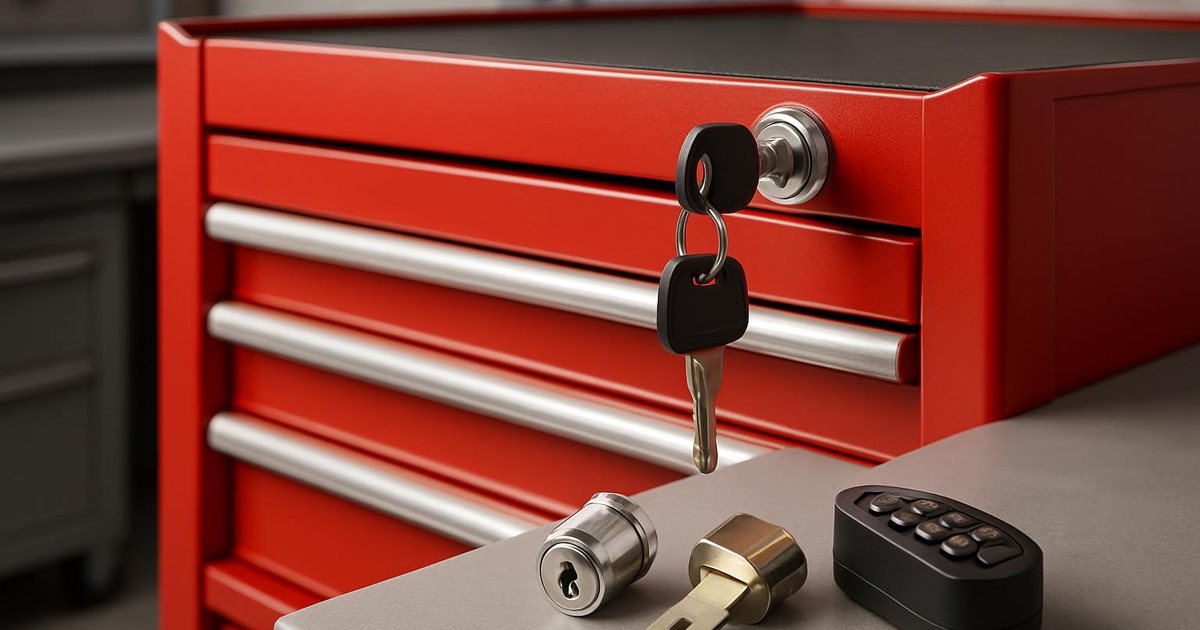
For most roll cabs, the best lock is a 7-pin tubular cam lock with a hardened collar. It must match the original body diameter (usually 16, 19 or 22 mm), body length and tailpiece, so it still drives the lock bar on every drawer. Use a keypad or RFID cam lock on a shared cab. If prying is the risk, add a hasp and padlock. A 12-inch pry bar puts roughly 3× the bolt loada Grade 1 cabinet lock is tested to on one drawer. No cylinder wins that alone.
Key takeaways
- ANSI/BHMA A156.11 Grade 1 cabinet locks are tested to 40,000 cycles and 500 lbf; Grade 2 to 20,000 cycles and 250 lbf.
- A roll cab locked 4 times a working day uses about 1,000 cycles a year, so even Grade 2 cycle life covers about 20 years. Pay for attack resistance, not cycles.
- A 300 mm (12″) pry bar levers a 250 N push into about 7,250 N (1,630 lbf) at the tip: 3.3× the Grade 1 bolt test load.
- Tubular key cam locks typically cost 30–50% more than the same body in flat key. Of all six options, it's the cheapest real upgrade.
1. How a Roll Cab Actually Locks
Nearly every roll cab, from a budget 5-drawer unit to a 72-inch pro cabinet, uses the same layout. There'sone cam lock, usually at the top corner of the front panel. Behind it, a vertical steel lock bar runs down the side of the drawer stack. Turning the key rotates a tailpiece on the back of the cylinder. The tailpiece lifts or slides the bar, and a hook at each drawer drops behind a catch. One key turn locks every drawer.
That design has three parts that can fail: the cylinder (picked, drilled or opened with a duplicate key), the lock bar and catches (bent or pried past), and the cabinet itself (wheeled away whole). The best lock is the one that closes the weakest of those three on your cab.
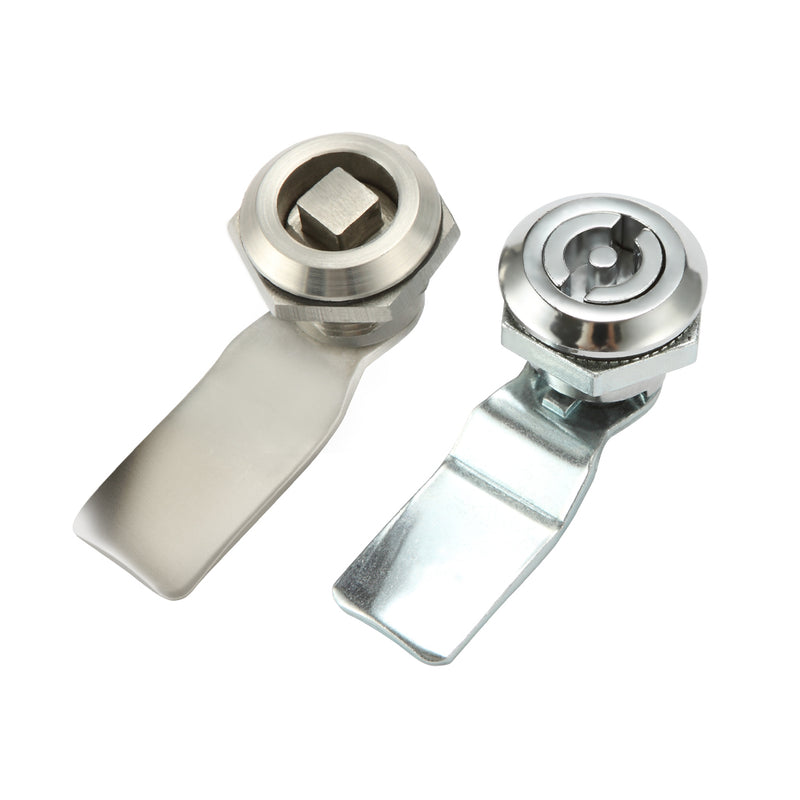
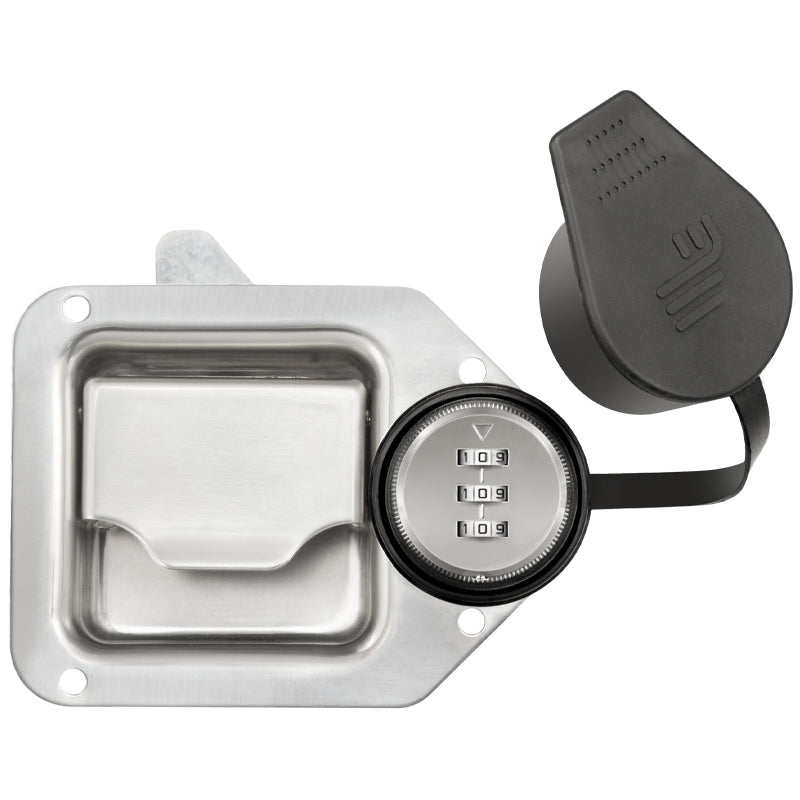
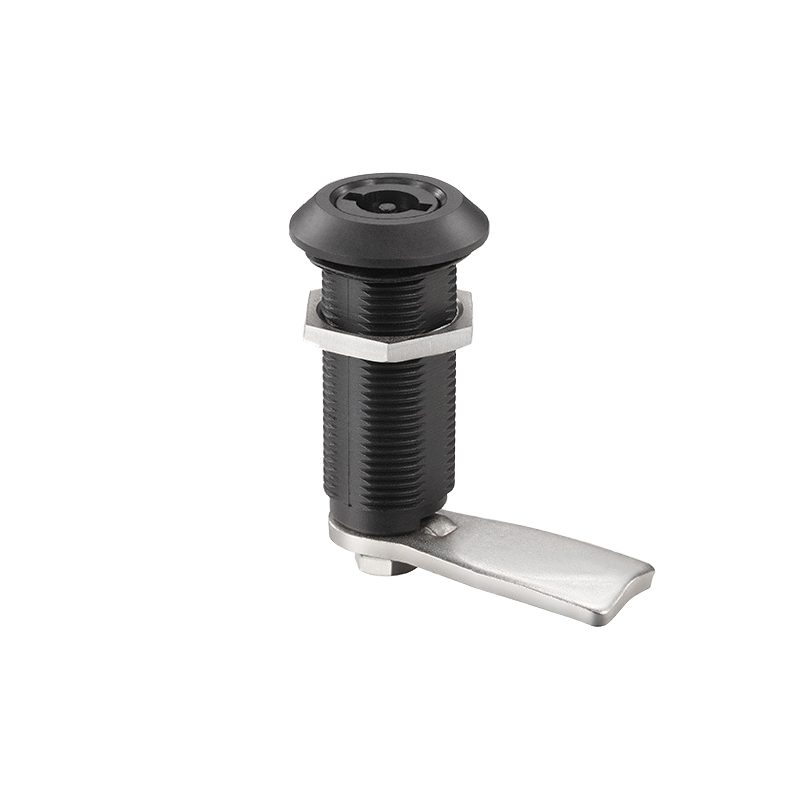
Truck and job-site boxes are different. They use paddle and T-handle latches, and ourtoolbox lock guide covers those. This article is about the rolling cabinet in the shop.
2. The 6 Options, Ranked
We ranked these by the attack each one actually stops on a roll cab, then by cost. FOB prices are our indicative catalogue figures for zinc alloy bodies. Retail replacement kits cost several times more.
| # | Option | Stops best | Weak against | Indicative cost | Best for |
|---|---|---|---|---|---|
| 1 | 7-pin tubular cam lock + hardened collar | Casual picking, key duplication, drill-out | Prying the bar | Flat-key price +30–50% | Most roll cabs; the default upgrade |
| 2 | Disc-detainer cam lock | Picking (strongest mechanical option) | Prying; price; key replacement | Quote per keying | High-value cabs in open shops |
| 3 | Electronic keypad / RFID cam lock | Lost keys, shared access, no record of who opened it | Battery failure; prying | $20–$150 | Shared cabs, schools, fleets |
| 4 | Hasp + padlock (added, not replacing) | Prying, because it adds a second load path | Bolt cutters on a cheap shackle | $10–$50 padlock | Cabs left in shared or open bays |
| 5 | Keyed-alike / master-keyed set | Key chaos across a fleet | Whatever the cylinder type is weak to | Same as the cylinder; MK engineering free at 100+ | Dealerships, schools, MRO shops |
| 6 | Stock flat-key (wafer) cam lock | Drawers rolling open; casual access | Picking; code-cut duplicate keys | $0.50–$3.00 | Like-for-like budget replacement only |
1. Tubular cam lock with a hardened collar
A tubular lock uses a round key with pins arranged in a circle, usually 7. It's what premium roll cab brands fit at the factory. Snap-on, for example, describes its Masters Series cab lock as a "high-security tubular lock and collar". The collar matters as much as the cylinder. It is a hardened ring that stops a punch or drill from getting a clean start on the face of the lock. For a replacement, this is the best value. It drops into the same hole and costs 30–50% more than a flat-key lock of the same size. See ourcam lock guide for body sizes and key types.
2. Disc-detainer cam lock
Rotating discs instead of spring pins make a disc-detainer cylinder the hardest mechanical cam lock to pick. The trade-offs are price, a less common key that takes longer to replace, and no benefit at all against prying. Choose it when the cab is valuable, sits in an open shop, and you've already dealt with the lock bar.
3. Electronic keypad or RFID cam lock
On a cab shared by shifts or students, the real problem is keys: lost, copied, or never returned. A keypad or RFID cam lock removes the key. Connected versions also log who opened the cab and when. Budget for batteries. Choose a model with an external power or override contact, so a flat battery doesn't lock a technician out of their tools. Our IoT smart locks cover the connected end of this range.
4. Hasp and padlock, added to the central lock
It's not elegant, but it's the only option on this list that adds a second, independent locking point. Section 3 shows why that matters more than the cylinder. Use a closed- or shrouded-shackle padlock. An exposed shackle on a cheap padlock can be cut with bolt cutters in seconds.
5. Keyed-alike or master-keyed sets
Keying isn't a lock type. It's a decision that applies to whichever cylinder you choose. For a shop running 20 cabs, master keying gives each technician their own key and the manager one key for all of them. Ourcam locks for cabinets guide explains KA, KD, MK and construction master keying.
6. Stock flat-key wafer lock
This is what most budget cabs ship with. It keeps drawers from rolling open in transit and keeps honest people out. Two weaknesses matter. Wafer cylinders are the easiest type to pick. And stock locks are cut from a finite key code series, often with the code stamped on the face, so anyone who can read the code can order the key. Use one only to replace a broken lock like for like.
Building tool cabinets and need a central lock that fits your lock bar?
Send us a photo of your tailpiece and bar, plus the panel thickness. We'll match a tubular, flat-key or keypad cam lock and quote FOB Ningbo within 24 hours.
Get a roll cab lock quote →3. Why the Cylinder Is Rarely What Fails
Here's the arithmetic most "best lock" lists skip. A thief with a flat pry bar puts the tip into the gap above a drawer and levers against the drawer lip. Take a 300 mm (12″) bar with the tip 10 mm past the fulcrum. The lever ratio is about 290 : 10, or 29×. A firm two-handed push of 250 N (about 56 lbf) becomes roughly 7,250 N (1,630 lbf) at the tip.
Now compare that with what cabinet locks are tested to hold. ANSI/BHMA A156.11 is the US cabinet lock standard. It sets the bolt strength load at 500 lbf for Grade 1 and 250 lbf for Grade 2.
| Pry bar length | Lever ratio (tip 10 mm past fulcrum) | Force at tip from a 250 N push | × Grade 1 bolt load (2,224 N) | × Grade 2 bolt load (1,112 N) |
|---|---|---|---|---|
| 200 mm (8″) | 19× | 4,750 N | 2.1× | 4.3× |
| 300 mm (12″) | 29× | 7,250 N | 3.3× | 6.5× |
| 600 mm (24″) | 59× | 14,750 N | 6.6× | 13.3× |
Three things follow:
- The pried drawer's catch takes the load, not the cylinder. The lock bar has a hook at every drawer, but when one drawer is pried, that drawer's hook and catch carry the force. On a budget cab with a thin bar and spot-welded catches, the bar bends or the catch tears before the cylinder notices.
- A better cylinder doesn't help against prying. Swapping a wafer lock for a disc-detainer stops picking. It does nothing for the bar. That is why a hasp and padlock ranks above some better cylinders here. It adds a second load path that doesn't run through the bar.
- Material choice is about the face, not the strength. A stainless or hardened-collar face resists drilling better than plain zinc alloy. Our zinc alloy vs stainless steel lock guide compares the two.
The lever figures are a simple moment estimate (force × arm length). They ignore friction and the fact that the sheet steel bends. Real loads are lower, but they stay well above what a cabinet lock is tested for.
4. Cycle Life: What Grade Do You Actually Need?
Lock specs often lead with cycle life. On a roll cab, it hardly matters. A cycle is one lock and unlock, not one drawer opening. Most technicians lock the cab at lunch and at the end of the day.
| Use pattern | Lock cycles / day | Cycles / year (250 days) | Grade 2 life (20,000) | Grade 1 life (40,000) |
|---|---|---|---|---|
| One technician, own cab | 4 | 1,000 | 20 years | 40 years |
| Two-shift shared cab | 8 | 2,000 | 10 years | 20 years |
| School shop, 6 classes | 12 | 3,000 | 6.7 years | 13.3 years |
On a roll cab, worn locks usually come from grit in the keyway and worn key copies, not from running out of cycles. A dust shutter over the keyway and keys cut from the original code (not copied from a copy) do more for lock life than moving up a grade. For other cabinet uses, ourcabinet lock buying guide sets out security levels by application.
5. Replacing a Roll Cab Lock: 6 Measurements
Most "it didn't fit" returns on roll cab locks happen because the buyer matched the key type and missed the back of the lock. Measure these six things before you order:
| Measure | Typical values | What goes wrong if missed |
|---|---|---|
| Body diameter | 16, 19 or 22 mm | Lock spins in the hole, or won't go in |
| Body length behind the panel | 16–20 mm for steel panels; US cabinet locks come in 7/8″ to 1-5/8″ | Tailpiece doesn't reach the bar |
| Anti-rotation shape | Round with flats or a D-cut | Lock turns in the panel under key torque |
| Tailpiece or cam shape | Straight cam, offset cam, or no cam with a drive tab | Key turns but the bar doesn't move |
| Rotation and direction | 90° or 180°, CW or CCW to lock | Locks in the wrong position, or drawers can't close |
| Key code and keying | Code stamped on face; KA or KD | New lock doesn't match your other cabs |
Many aftermarket tubular kits for roller cabinets are sold with no cam. The cylinder drives the original tailpiece, so keep the old one. If the original lock is seized, ourcam lock vs cabinet lock comparison covers how the different bodies mount.
6. For Tool Storage Manufacturers: Keying, MOQ & Lead Time
If you build roll cabs, the lock is a small line on the bill of materials that customers judge your cabinet by. Three decisions matter more than unit price:
- Key code series size. Ask how many codes your keyed-different series has, and whether the code is stamped on the face. A small series means two customers can open each other's cabs.
- Tailpiece matched to your lock bar. A custom stamped tailpiece on a catalogue body is far cheaper than a new cylinder, and it removes the slop that lets the bar shift when the cab is bumped.
- Upgrade path. Design the cutout so the same hole takes flat-key, tubular and keypad versions. Then one cabinet can be sold at three price points.
| Order type | MOQ | Lead time |
|---|---|---|
| Catalogue cam lock | 500 pcs | Samples in about 7 days |
| Keyed-alike sets | 100–500 pcs | Key code can be matched on reorders |
| Custom keying / master key system | 500–1,000 pcs | 25–35 days after design approval; MK engineering free at 100+ units |
| Custom body, cam or finish | Quote | Mold subsidies on 3,000+ units |
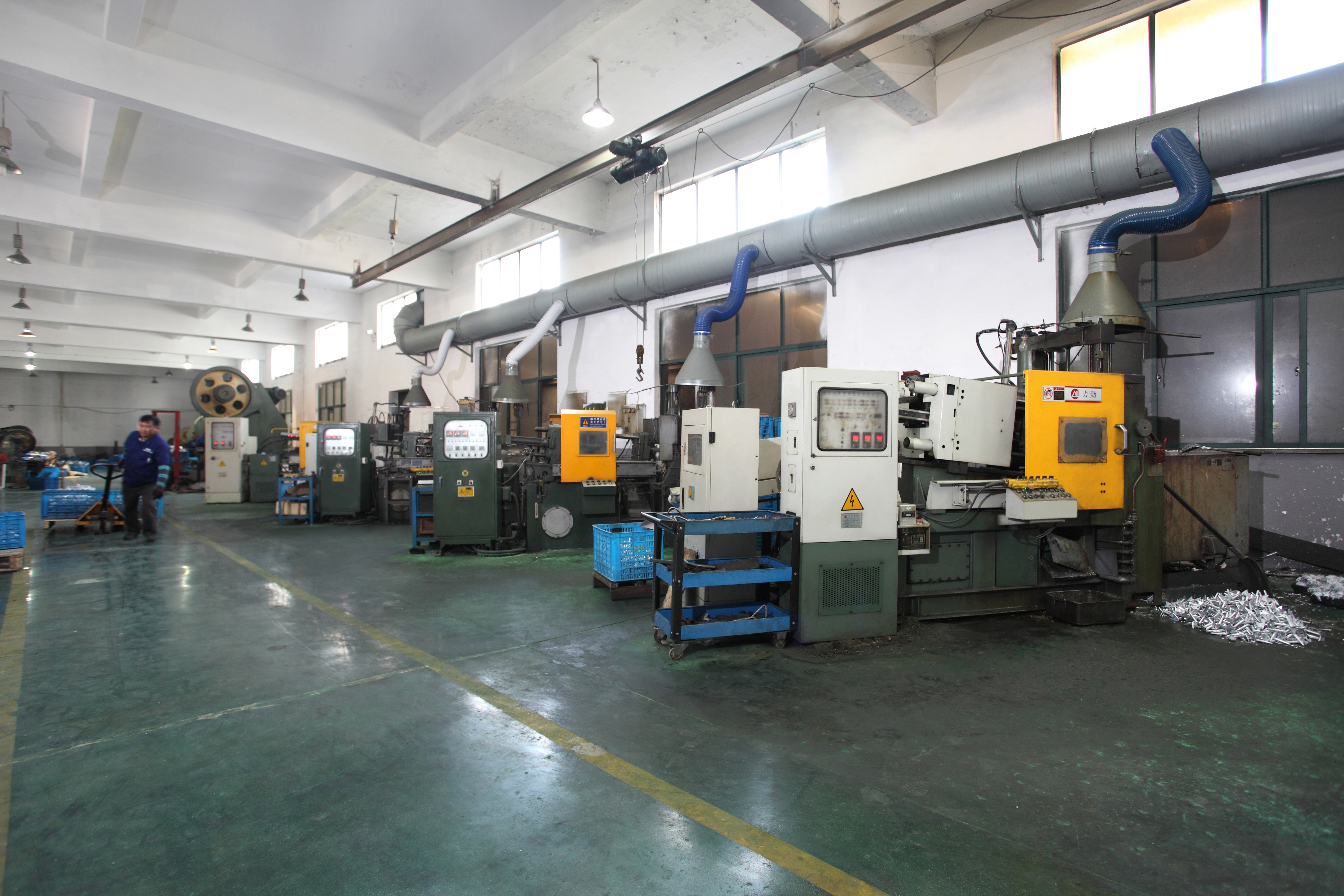
To quote, send us the panel thickness, hole shape, a photo of the tailpiece and lock bar, rotation, key type and keying scheme. Browse our cam locks (75+ models) andpanel locks and paddle latches first if you like. Ourcustomization page explains the OEM process. If you're comparing suppliers, see ourlist of lock and latch manufacturers in China. For the wider family of latch mechanisms, see types of latches.
7. Frequently Asked Questions
What is the best lock for a roll cab?
How does a roll cab lock work?
Can I put a better lock on a cheap roll cab?
Are tubular key locks secure enough for a tool box?
What does ANSI/BHMA A156.11 mean for a tool cabinet lock?
Can I get all my shop roll cabs keyed alike or master keyed?
What MOQ and lead time apply to roll cab locks for OEM tool storage makers?
Standards and data referenced
- ANSI/BHMA A156.11 — Cabinet Locks (Grade 1: 40,000 cycles, 500 lbf bolt strength; Grade 2: 20,000 cycles, 250 lbf), as summarised in CompX Security Products' BHMA certification sheet
- Snap-on Masters Series roll cab product announcement (high-security tubular lock and collar), trucknews.com
- Pry-bar forces: simple lever moment estimate (force × arm), friction and panel deflection ignored
- Body sizes, key types, keying options, MOQ and lead times: Hengchieh catalogue data
- Prices: indicative FOB Ningbo, October 2026, zinc alloy catalogue models
Related Guides
Toolbox Locks: 8 Types
Truck and job-site boxes, UWS & Weather Guard fit
Cam Lock Guide
Flat, tubular, disc-detainer and electronic
Cam Locks for Cabinets
Sizing, keyed alike, master key systems
Cabinet Lock Buying Guide
7 lock types and 3 security levels
Zinc Alloy vs Stainless Steel Locks
Corrosion, drill resistance, cost
Cam Locks
75+ models, factory direct, MOQ 500
Need a lock that fits your roll cab's lock bar?
Send the panel thickness, tailpiece photo and keying scheme. We'll quote tubular, flat-key and keypad options FOB Ningbo within 24 hours. Samples in 7 days.
Request a Quote →