
Automotive Aluminum Die Casting Parts Guide
The automotive industry consumes more aluminum die castings than any other sector — and the trend is accelerating as EV platforms replace steel stampings with lightweight aluminum structures. As an IATF 16949 certified die casting manufacturer with 35+ years of automotive production experience, we produce the five major categories of aluminum castings that modern vehicles demand.
ECU Housings & Electronic Control Unit Enclosures
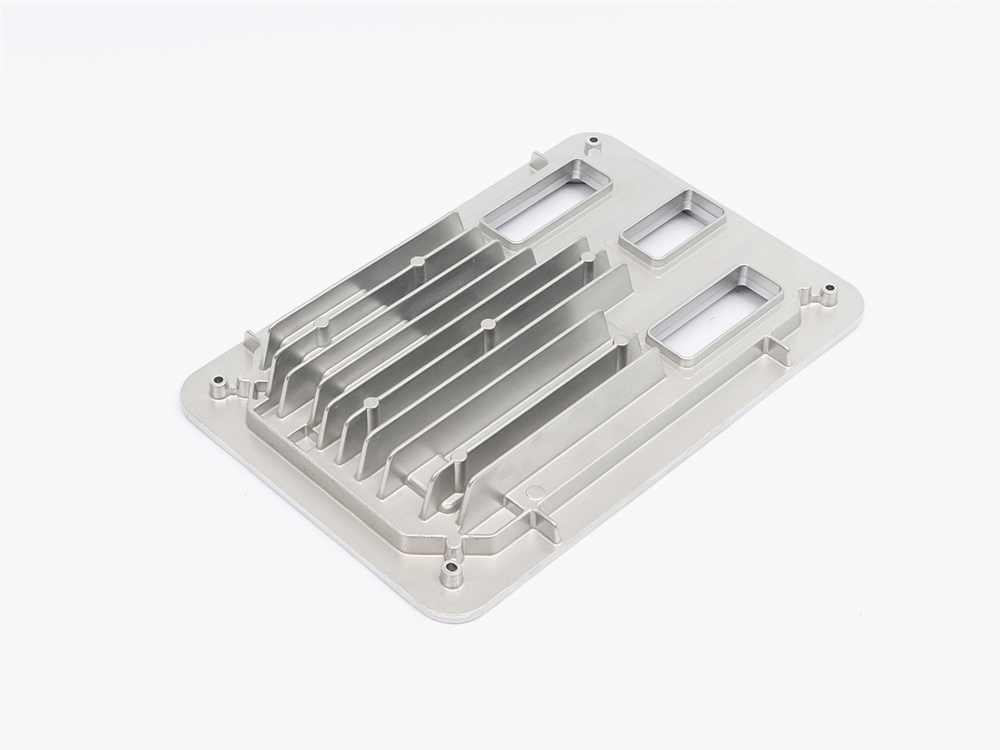
Electronic Control Units are the brains of every modern vehicle, and their housings must simultaneously provide structural protection, heat dissipation, and electromagnetic interference (EMI) shielding. We manufacture ECU housings in ADC12 aluminum with integrated cooling fins that eliminate the need for separate heat sinks.
Critical specifications for ECU housings include flatness tolerance of ±0.05mm across the mating surface (essential for gasket sealing), wall thickness uniformity for consistent EMI shielding effectiveness, and precisely located mounting bosses for PCB standoffs. Our CNC machining center achieves ±0.02mm on sealing surfaces immediately after die casting, reducing the two-step process many competitors require.
Motor Housings & End Bells
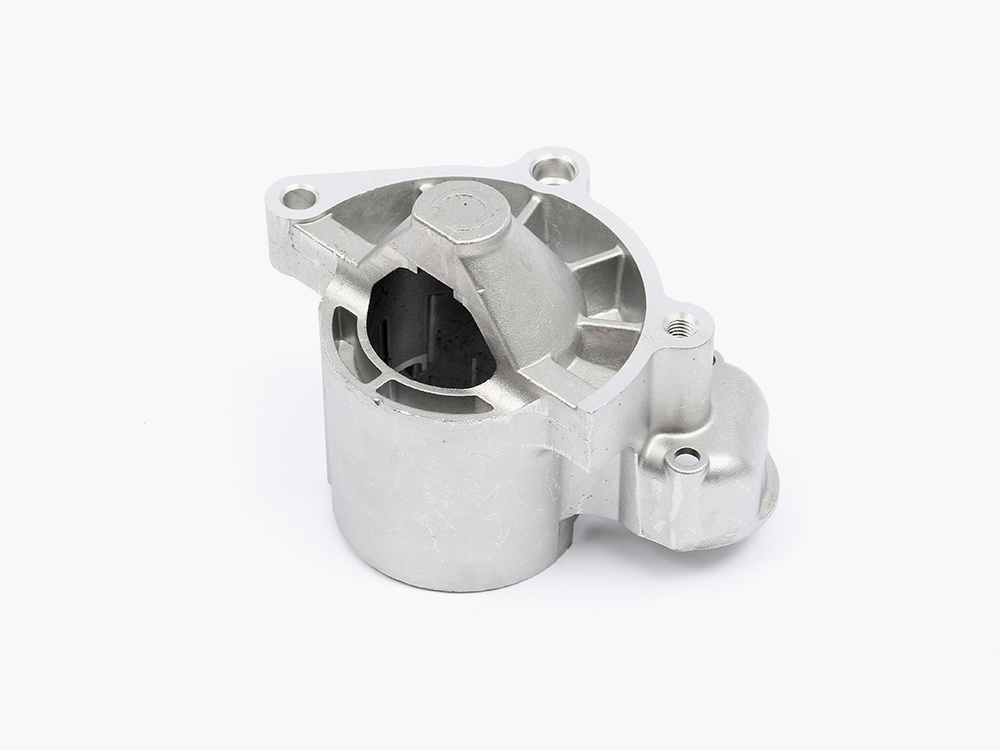
EV traction motors, HVAC blowers, power steering pumps, and window lift motors all require die cast aluminum housings. The bearing bores on motor end bells are among the most demanding features we machine — concentricity between the front and rear bearing seats must hold within 0.02mm total indicator reading (TIR) to prevent premature bearing failure and motor vibration.
Our motor housings feature integrated cooling fin designs that increase surface area by 40-60% compared to smooth housings, significantly improving heat rejection in high-current EV motor applications. We cast these in both ADC12 (standard) and AlSi12 (for higher thermal conductivity requirements).
Water Channel Housings & Thermal Management Parts
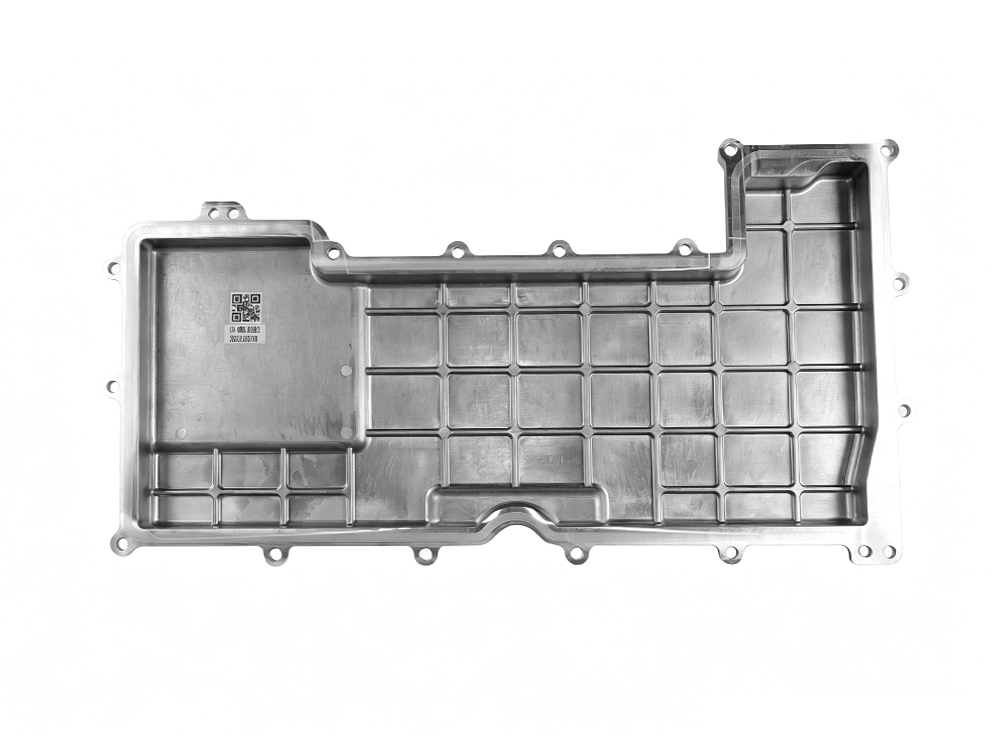
EV thermal management systems require aluminum housings with integrated coolant passages — internal channels that circulate liquid coolant directly through the casting. These "water channel housings" are used for inverter cooling, battery thermal management, and onboard charger heat dissipation.
Manufacturing these parts demands advanced tooling with slide cores and loose pieces to form internal passages, followed by 100% leak testing at pressures exceeding the operating pressure by 2-3×. Every water channel housing we produce passes helium leak testing to ensure zero coolant loss over the vehicle's lifetime.
Air Suspension & Steering Components
Steering component housing
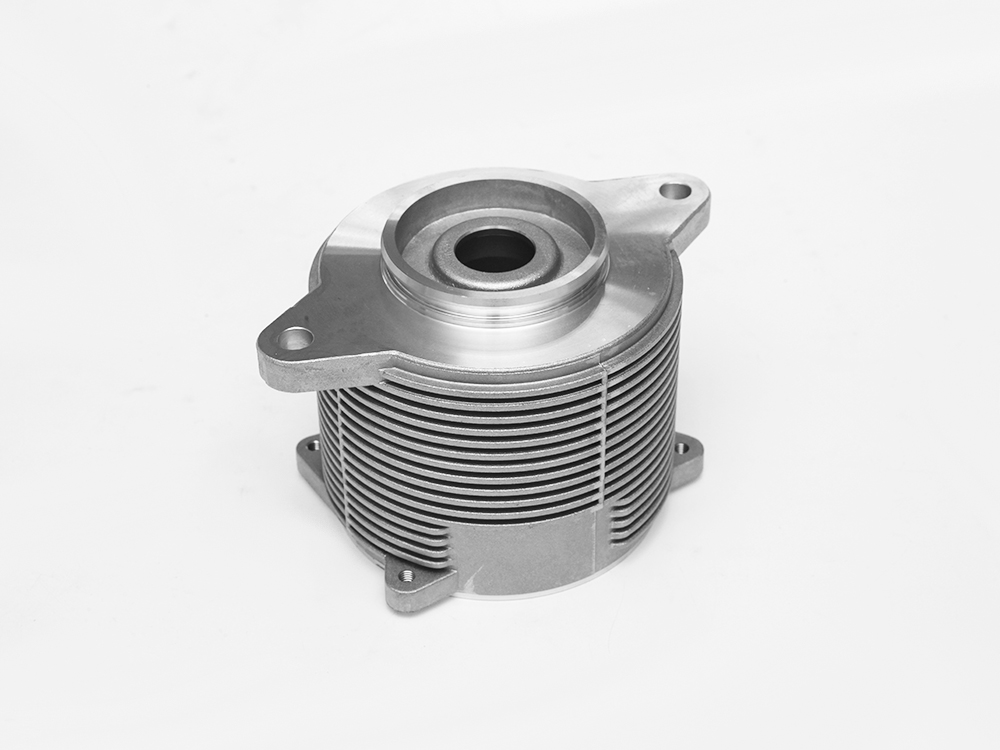
Suspension valve body
Steering gear housings and air suspension valve bodies are safety-critical components manufactured under the strictest quality controls. These parts undergo 100% dimensional inspection with CMM verification, X-ray inspection for internal porosity, and burst-pressure testing at 3× operating pressure.
We cast steering housings in A356 aluminum (heat-treatable to T6 temper for maximum strength and elongation) rather than the standard ADC12 used for non-structural parts. The T6 heat treatment increases tensile strength from 230 MPa to 310+ MPa while maintaining the ductility needed for crash energy absorption.
Oil Pump Housings & Covers
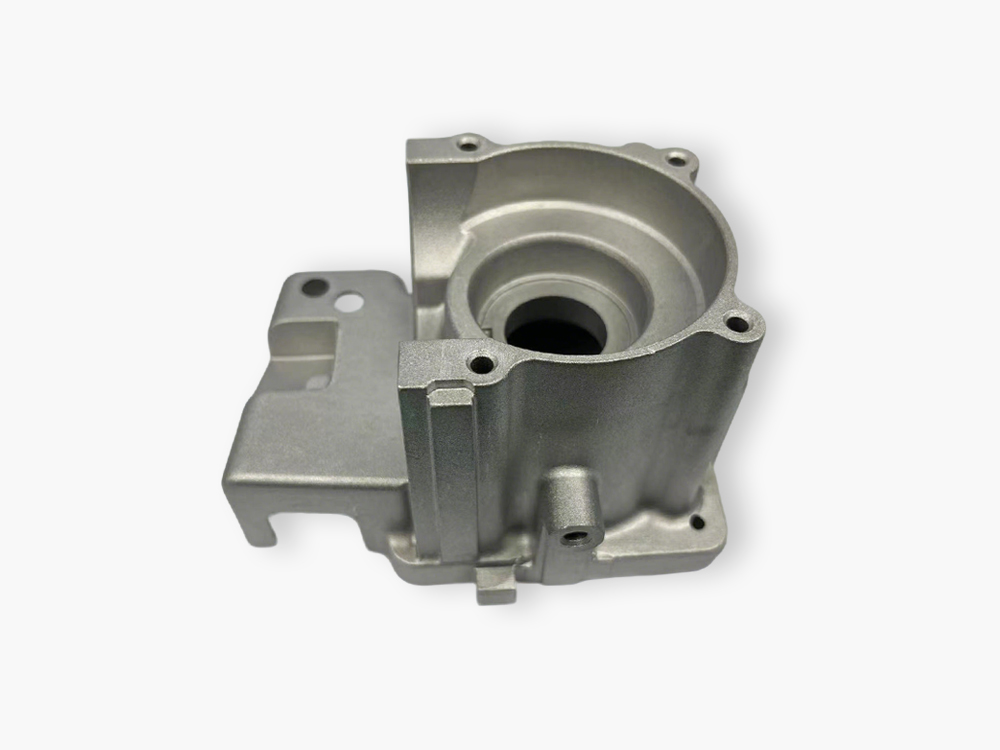
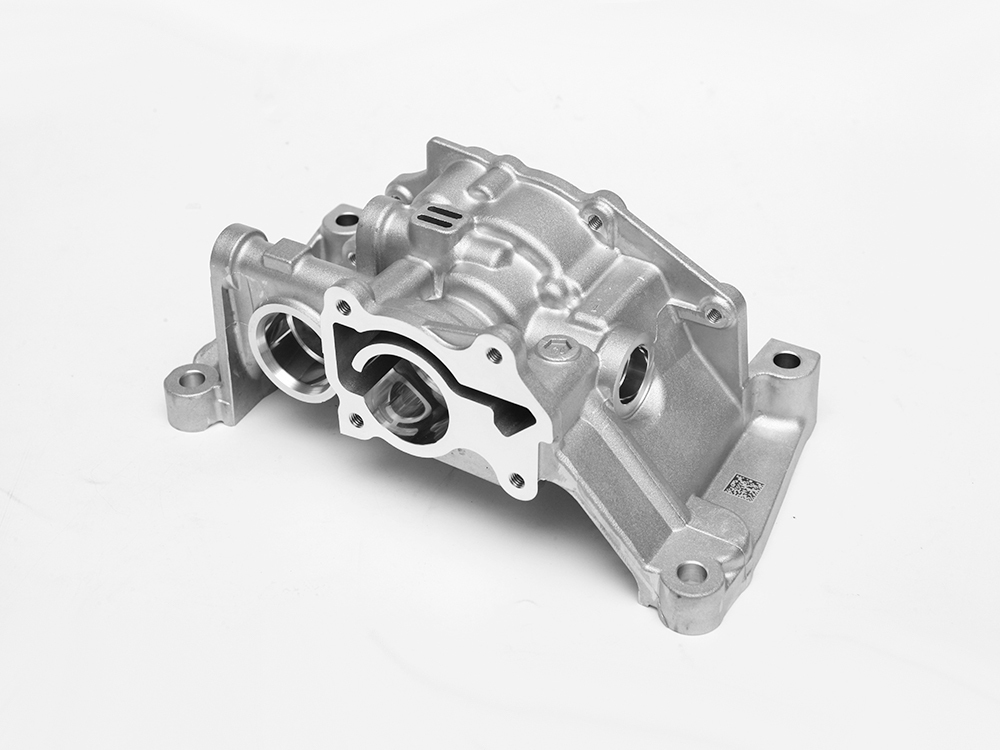
Oil pump housing
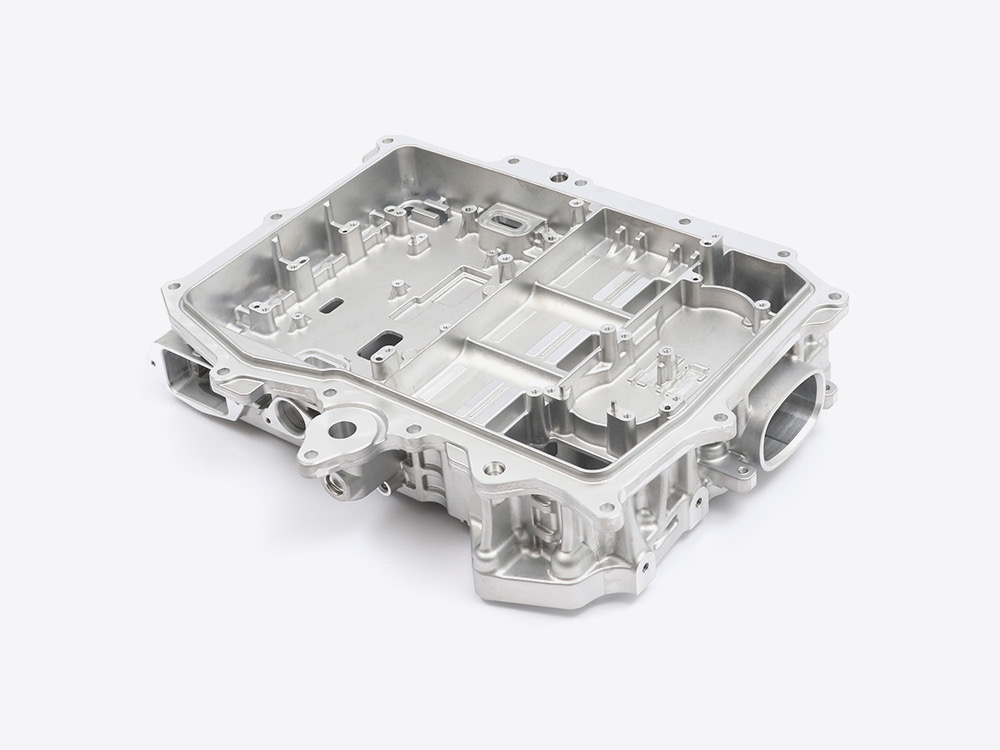
Inverter / powertrain housing
Oil pump housings operate in the most demanding environment inside an engine — continuous exposure to hot engine oil at temperatures up to 150°C, constant vibration, and pressure cycling. The internal bore geometry must maintain precise dimensions over millions of pressure cycles without fatigue cracking.
We cast oil pump housings in A380 aluminum for its superior pressure tightness and resistance to hot cracking. After casting, the bore is precision-machined to ±0.015mm with surface roughness Ra ≤ 1.6 μm to ensure proper gear-to-housing clearance and minimize oil bypass. Every part undergoes air-pressure leak testing before shipment.
Quality Systems for Automotive Die Casting
Automotive die casting is not just about making parts — it is about proving that every part meets specification. Our IATF 16949 quality management system includes PPAP documentation packages, control plans with SPC monitoring on critical dimensions, MSA studies for all measurement equipment, and full material traceability from ingot lot to finished part.
For safety-critical parts (steering, suspension, braking), we maintain enhanced inspection protocols: 100% CMM verification on critical dimensions, X-ray or CT scanning on a statistical basis (minimum 1 per 500 parts), and complete metallurgical testing from each heat lot including tensile strength, hardness, elongation, and chemical composition verification.
Frequently Asked Questions
What aluminum alloys are used in automotive die casting?
What certifications are needed for automotive die casting?
What tolerances can automotive die castings achieve?
How are automotive die castings tested?
Looking for an IATF 16949 automotive die casting partner?
Send us your 3D files or engineering drawings. We provide free DFM analysis, alloy recommendations, and competitive quotes within 48 hours.
Related: All Aluminum Die Casting Parts · Aluminum vs Zinc Die Casting · Custom Die Casting OEM Guide · Our Manufacturing Capabilities